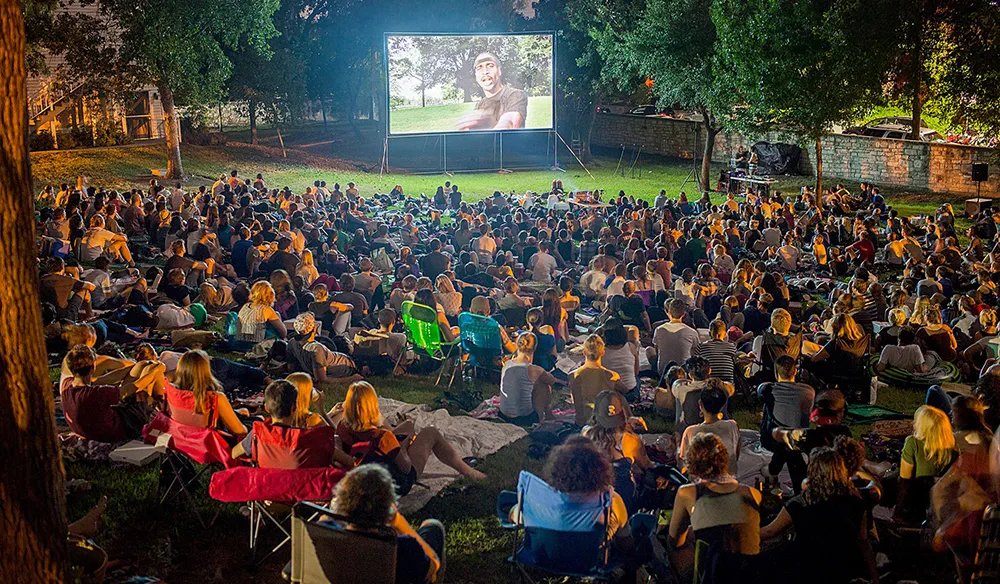
You spent months creating your film, paid submission fees to multiple festivals, and then heard nothing back. This frustrating silence is more common than you might think. Film festivals reject most submissions without detailed explanations because they receive thousands of entries and simply don't have the resources to provide individual feedback to every filmmaker. The average acceptance rate for film festivals is just 13%, and top-tier festivals accept less than 1% of submissions.
The lack of response doesn't mean your film is bad. Many quality films get rejected due to factors beyond the filmmaker's control, like programming needs, time constraints, or political considerations. Festival programmers often turn down films they personally enjoyed because they already selected similar projects or can't find room in their schedule.
Understanding why festivals stay silent and what you can do about it will help you navigate the submission process more effectively. You'll learn what actually happens behind the scenes, how to avoid common mistakes that hurt your chances, and practical steps to take when rejections pile up.
Understanding the Film Festival Submission Process
Film festivals receive thousands of submissions but can only select a small percentage, and programming decisions involve complex factors beyond just film quality.
High Volume of Entries and Limited Slots
Film festivals face an overwhelming number of submissions competing for very few spots. The average acceptance rate across film festivals sits at just 13%. Top-tier festivals accept less than 1% of submissions because they receive thousands of entries for limited programming slots.
Festival programmers must consider:
- Available screening time in their schedule
- Film length and how many projects fit in a time block
- Category quotas for features, shorts, and documentaries
- Geographic and genre diversity requirements
A 12-minute short film has better odds than a 25-minute one because festival programmers can schedule three shorter films in the same time slot. Your film needs to be significantly better than multiple other submissions to justify taking up more programming space.
The numbers work against you from the start. Even quality films get rejected simply because there's no room.
Festival Programming Strategies
Festival programmers build their lineup like a curated collection, not a competition leaderboard. They look for variety across genres, tones, subject matter, and filmmaker backgrounds. If a festival already selected three serious dramas, they might reject your dramatic film to include something lighter.
Politics and sponsorships also influence decisions. Some festivals reject films that might offend sponsors or conflict with local regulations. Others prioritize films with industry connections, name actors, or established directors because these draw audiences and press coverage.
Programming priorities often include:
- Balancing different genres and tones
- Featuring diverse voices and perspectives
- Attracting media attention and audiences
- Maintaining sponsor relationships
- Supporting emerging filmmakers
Your rejection might mean the festival already filled that particular slot, not that your work lacks merit.
Role of Festival Programmers
Festival programmers serve as gatekeepers who watch hundreds or thousands of submissions. They make quick decisions based on specific festival needs, personal taste, and strategic programming goals. Many programmers work for multiple festivals throughout the year and remember projects they couldn't fit initially.
Most festivals send only brief rejection letters without specific feedback. The Cleveland International Film Festival stands out for providing detailed feedback to rejected filmmakers. You can request feedback directly from other festivals, though most won't offer detailed explanations.
Film festivals rarely reconsider rejected submissions. Once you receive a rejection, you cannot resubmit that same project to that festival. However, festival programmers sometimes contact filmmakers whose work came close to acceptance, explaining why it didn't make the final cut and encouraging future submissions.
Common Reasons Films Are Rejected Without Feedback
Film festivals reject most submissions due to practical programming needs rather than quality alone. Programmers often stay silent because they're managing thousands of entries and lack time to explain each decision.
Mismatch With Festival Theme or Demographics
Your film might be excellent but wrong for a specific festival's audience or mission. Genre festivals like horror or documentary-focused events automatically pass on films outside their scope. Regional festivals prioritize local filmmakers or stories connected to their area.
Festival programmers build programs around themes each year. If your drama arrives when they're emphasizing comedy or social justice films, it won't make the cut regardless of quality. Top-tier festivals also consider whether your film fits their brand and attracts their target audience.
Sales agents sometimes advise filmmakers to research a festival's previous programming before submitting. Look at what screened in the past three years. If you don't see films like yours, that festival probably isn't the right match.
Length and Format Considerations
Runtime directly affects your chances of acceptance. Festivals struggle to program shorts over 12 minutes because that slot could fit three shorter films instead.
Your film needs to be significantly better than multiple shorter options to justify the time. Feature films face similar constraints based on screening blocks and available time slots. Festivals also have format requirements for projection and technical specifications.
Some festivals automatically reject films that don't meet their technical standards. Your submission might be removed from consideration because of aspect ratio, resolution, or audio format issues before anyone evaluates the content.
Politics, Waivers, and Relationships
Festival decisions involve factors beyond your control. Sponsors can influence programming choices when content might offend their brand values or political stance. Some festivals answer to state funding sources or community boards that restrict controversial topics.
Films with established directors, known actors, or representation from major agencies receive priority consideration. Festival programmers face pressure to include projects that bring publicity and industry attention. Your film competes against entries with built-in advantages through industry connections.
Previous festival relationships matter too. Programmers remember filmmakers and projects from other events they work with throughout the year.
Genre and Category Constraints
Festivals build diverse programs across multiple genres and tones. If programmers already selected three heavy dramas, they'll reject similar films to maintain program balance.
Your documentary might be rejected simply because the festival already has enough documentaries in that subject area. They need variety to keep audiences engaged across multiple screening blocks. Category quotas exist even when unstated.
Festival programmers also consider how films work together in the same screening block. Your film might not pair well with others already programmed in your category. Competition categories have strict limits on total entries, forcing programmers to reject quality films that don't stand out enough.